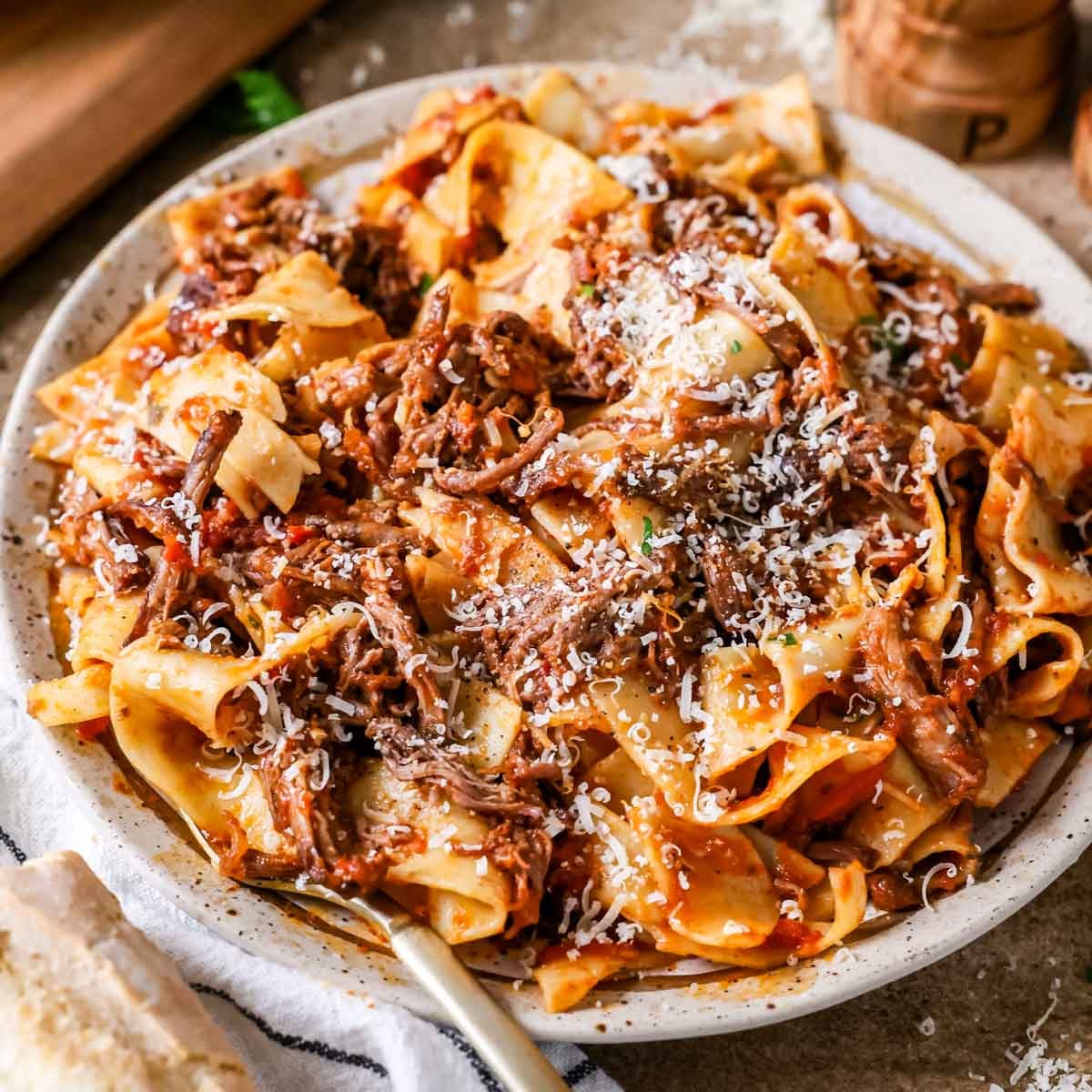
There are dishes that merely satisfy hunger, and then there are those that transport you. Elevated short rib ragu falls squarely into the latter category. Imagine incredibly tender, fall-apart short ribs, simmered for hours in a rich, deeply savory tomato and red wine sauce. This isn't just a meal; it's an experience, a culinary embrace that promises unparalleled flavor and profound comfort.
While many appreciate a classic beef ragu, the short rib ragu takes it to a whole new level of richness and complexity. It’s the kind of dish you crave on a chilly evening, a perfect centerpiece for a special gathering, or a luxurious treat for a cozy Sunday supper. This guide will delve into what makes this particular ragu so special, breaking down the ingredients, techniques, and secrets to achieving a truly remarkable dish.
The Allure of Short Rib Ragu: Why It's More Than Just a Meal
What sets short rib ragu apart from its leaner counterparts? The answer lies in the very nature of short ribs. These cuts are brimming with fat and connective tissue, and crucially, they come with bones. During the slow, gentle process of braising, all these elements work in harmony. The fat renders, infusing the sauce with incredible richness, while the connective tissue breaks down into luscious gelatin, thickening the sauce and lending it a silky mouthfeel. The bones themselves contribute a deep, umami-rich savoriness that is simply irreplaceable, creating a depth of flavor that a boneless cut can’t achieve.
For many, this dish evokes a profound sense of nostalgia. It carries the weight of culinary traditions, often reminiscent of the incredibly flavorful meat sauces passed down through generations. While this recipe might not be identical to an Italian great-grandmother's secret, it aims to capture that same warm, cozy comfort food feeling that nourishes both body and soul.
Beyond its profound flavor, this ragu boasts several practical advantages:
- Unparalleled Flavor Depth: The rich, fatty meat combined with careful seasoning and slow cooking guarantees an intensely satisfying taste.
- Make-Ahead Friendly: The beauty of a short rib ragu is that its flavor actually improves overnight. Refrigerating it allows the ingredients to meld and deepen, making it an ideal choice for entertaining or meal prepping. Simply make the ragu in advance, then cook your chosen accompaniment fresh when ready to serve.
- Elevated Comfort: Despite its sophisticated flavor profile, this recipe relies on readily available pantry staples. The magic happens when these simple ingredients are transformed through proper technique.
- Remarkably Versatile: While often paired with pasta, this short rib ragu is equally delicious served over creamy mashed potatoes, soft polenta, or even gnocchi. If opting for pasta, choose a broad, sturdy noodle like pappardelle or tagliatelle; its surface area is perfect for clinging to the rich, velvety sauce.
Crafting the Perfect Ragu: Essential Ingredients & Their Secrets
While the list of ingredients for a truly exceptional short rib ragu might seem extensive, each plays a vital role in building its complex flavor profile. Let’s explore some of the key components and why they are indispensable:
- Short Ribs (Bone-In Preferred): This is the star of the show. Bone-in short ribs are highly recommended for their superior richness and depth of flavor. The marrow and collagen from the bones contribute significantly to the sauce's body and savory profile. While boneless short ribs can be used in a pinch (you might need slightly less, around 2.5-3 lbs for a similar meat-to-sauce ratio), they simply won't yield the same profound results.
- Whole Peeled Tomatoes: High-quality tomatoes are crucial. If you can find them, San Marzano tomatoes are often considered the gold standard due to their balanced sweetness and low acidity. Crushing them by hand before adding to the pot helps release their juices and integrate them into the sauce.
- Dry Red Wine: A good dry red wine, such as a Cabernet Sauvignon or Merlot, is essential for deglazing the pan and adding a layer of sophisticated flavor and acidity. The alcohol cooks off, leaving behind only its rich essence. If you prefer not to use wine, a robust alternative is 3-4 tablespoons of red wine vinegar. Use it to deglaze, then cook until completely reduced and the pungent aroma dissipates. The acidity is vital for balancing the richness of the dish, so avoid skipping this component or substituting with just broth or water.
- Sugar (A Flavor Enhancer, Not a Sweetener): A small amount of sugar, often just a teaspoon or two, won't make your ragu sweet. Instead, it helps to balance the acidity of the tomatoes, round out the flavors, and enhance the overall savory notes. If your tomatoes are exceptionally ripe and sweet, you might get away with omitting it, but in most cases, it’s a valuable addition. For those avoiding refined sugar, coconut sugar works well.
- Parmesan Rind: This is a classic Italian secret weapon for adding an incredible depth of umami to slow-simmered sauces. Tossing a piece of Parmesan rind into the ragu as it braises will imbue the sauce with a salty, nutty, and savory complexity that elevates the entire dish. Remember to remove it before serving!
- Aromatics: Onion and garlic form the foundational flavor base, providing a sweet and pungent counterpoint to the richness of the meat. Sautéing them until softened and fragrant is a crucial step in building layers of flavor.
- Olive Oil, Salt, and Pepper: These staples are necessary for searing the meat, seasoning the dish, and bringing all the flavors into harmony.
The Art of Braising: From Searing to Simmering Perfection
The magic of short rib ragu lies in the braising process. It’s a method that transforms tough cuts of meat into unbelievably tender morsels and simple ingredients into a deeply flavored, cohesive sauce. While it requires time, the active cooking time is surprisingly minimal, with the oven doing most of the work.
- The Crucial Sear: Do not skip this step! Generously season your short ribs with salt and pepper. Heat a heavy-bottomed pot or enameled cast-iron braiser with olive oil over medium-high heat until shimmering. Sear the short ribs on all sides until deeply browned, about 6-8 minutes total. This browning, known as the Maillard reaction, creates incredible flavor and color that will permeate the entire ragu. Transfer the browned ribs to a plate or baking sheet and set aside.
- Building the Flavor Base: Reduce the heat to medium. Add chopped onions to the pot and cook until softened and translucent, scraping up any browned bits from the bottom of the pan. This 'fond' is packed with flavor. Add minced garlic and cook for another minute until fragrant.
- Deglazing with Wine: Pour in your chosen dry red wine (or red wine vinegar). Scrape the bottom of the pot vigorously with a wooden spoon to release all the caramelized bits. This deglazing step is vital for incorporating those rich flavors into your sauce. Allow the wine to simmer and reduce slightly, intensifying its flavor.
- Simmering to Perfection: Return the seared short ribs to the pot. Add the whole peeled tomatoes (crushed by hand), a touch of sugar, and your Parmesan rind. Pour in enough beef broth to mostly cover the ribs. Bring the mixture to a gentle simmer on the stovetop.
- The Slow Braise: Cover the pot tightly and transfer it to a preheated oven (typically around 325-350°F or 160-175°C). The oven provides a more even and gentle heat than stovetop simmering, ensuring the meat cooks uniformly without scorching. Let it braise for 3-4 hours, or until the short ribs are fork-tender and practically falling off the bone. The long, slow cook allows the collagen and connective tissues to break down, resulting in that signature tender texture and a velvety, rich sauce.
Once braised, remove the short ribs from the sauce, shred the meat from the bones, discarding any excess fat and the bones themselves. Stir the shredded meat back into the sauce, taste, and adjust seasoning as needed. The result is a short rib ragu that is both rich and unfussy, with the oven doing the heavy lifting.
Serving Your Elevated Short Rib Ragu: Pairings and Presentation
The versatility of short rib ragu means it can adapt to various serving styles, each offering a unique culinary experience. For a truly classic Italian presentation, pair it with a robust pasta. Pappardelle or tagliatelle are excellent choices, as their wide, flat surfaces are perfect for capturing and holding the thick, savory sauce. Cook your pasta al dente, then toss it directly with a generous amount of ragu in a warm pan, allowing the flavors to meld beautifully. For an extra touch of decadence, finish with a sprinkle of freshly grated Parmesan cheese and a scattering of fresh parsley or basil.
Beyond pasta, consider these equally delightful pairings:
- Creamy Polenta: The smooth, comforting texture of polenta provides a wonderful canvas for the rich ragu. A dollop of soft, buttery polenta underneath the sauce creates a truly satisfying meal.
- Garlic Mashed Potatoes: For ultimate comfort food, serve the ragu atop a mound of fluffy, garlic-infused mashed potatoes. The potatoes absorb the sauce's flavors, creating a harmonious blend.
- Crusty Bread: Don't forget a good loaf of crusty artisan bread for soaking up every last drop of that magnificent sauce!
Whether you're hosting a dinner party or enjoying a quiet meal at home, the presentation can elevate the experience. A rustic ceramic bowl, a garnish of vibrant green herbs, and a dusting of cheese all contribute to the appeal of this comforting dish. The aroma alone will have everyone eagerly awaiting their first bite.
Conclusion
Elevated short rib ragu is more than just a recipe; it's a testament to the power of slow cooking and quality ingredients. It’s a dish that embodies comfort, depth of flavor, and a touch of culinary elegance, proving that humble cuts of meat can be transformed into something truly extraordinary. With its rich, fall-apart tender short ribs and a deeply savory sauce, this ragu offers an unparalleled dining experience that satisfies on every level. So, take the time, savor the process, and enjoy the incredible rewards of this magnificent braise.
