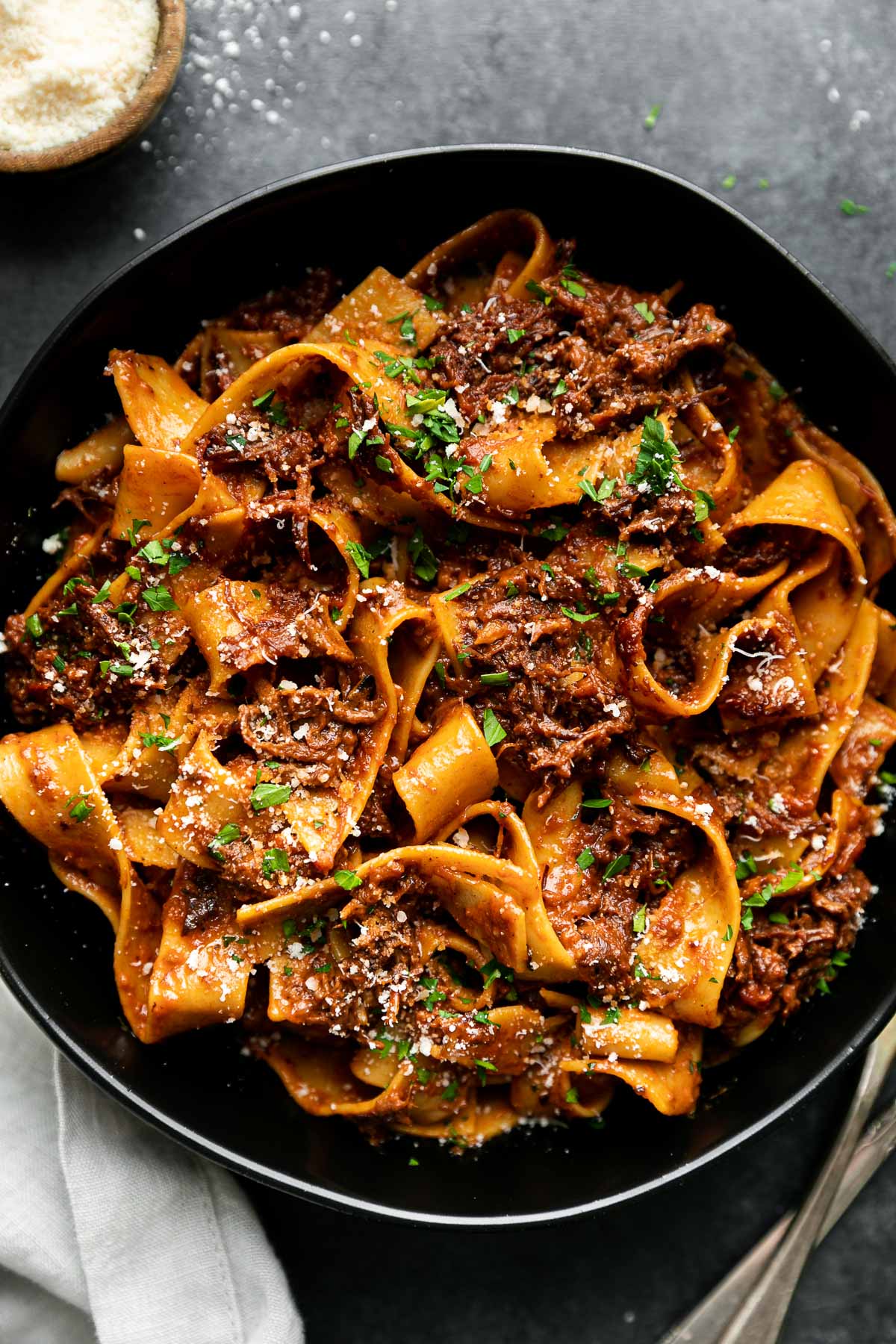
Slow-Braised Short Rib Ragu: The Epitome of Comfort and Culinary Excellence
Imagine a dish so deeply satisfying, so rich in flavor, and so wonderfully tender that it transforms an ordinary meal into an extraordinary experience. That, my friends, is the magic of Slow-Braised Short Rib Ragu. This isn't just a sauce; it's a culinary journey, a testament to the power of slow cooking, and the ultimate comfort food that feels both incredibly hearty and elegantly refined. Picture succulent, fall-apart short ribs, steeped in a velvety, deep red tomato and red wine sauce, lovingly embracing strands of broad pasta or nestled atop creamy polenta. It’s a dish that warms the soul and delights the palate, perfect for a cozy Sunday supper or a special gathering.
What Makes Short Rib Ragu So Irresistible?
While many beef ragus offer deliciousness, a true short rib ragu elevates the experience to another level. The secret lies in the cut of meat itself. Short ribs, known for their generous marbling of fat and abundant connective tissue, are perfectly engineered for slow braising. As they cook over several hours, these elements slowly break down, rendering the meat incredibly tender and infusing the sauce with an unparalleled richness and savory depth that simply can't be achieved with leaner cuts. The bones, often left intact, further contribute to this profound flavor, releasing collagen and minerals that thicken and enrich the ragu.
This dish captures the essence of heritage cooking – the kind of deeply flavorful, slow-cooked meat sauces passed down through generations. It evokes a sense of nostalgia, comfort, and warmth, making it much more than just a meal; it's an experience that nourishes both body and spirit.
The Art of Slow Braising: Unlocking Unrivaled Tenderness
The beauty of short rib ragu lies in its simplicity in execution, despite its complex flavor profile. The oven does most of the heavy lifting, transforming humble ingredients into a luxurious feast. The process typically begins with a crucial step: searing the short ribs. This creates a beautiful crust through the Maillard reaction, locking in juices and adding another layer of complex flavor to the meat itself. After searing, the pan drippings are used to sauté aromatic vegetables like onions, carrots, and celery, forming the foundational flavor base, known as a soffritto in Italian cooking.
Deglazing the pan with a robust dry red wine is key. This step not only adds a rich, fruity, and acidic note to the sauce but also incorporates all those delicious browned bits from the bottom of the pan, amplifying the overall depth of flavor. Tomatoes, either crushed or whole peeled (San Marzano are a highly recommended choice for their sweetness and lower acidity), are then added, along with herbs, broth, and the seared short ribs. The entire concoction is then left to simmer slowly in the oven for hours. This gentle, moist heat allows the connective tissues in the short ribs to gradually dissolve, resulting in meat that is unbelievably fork-tender and practically melts in your mouth. This braising method is crucial for unparalleled flavor and texture.
Essential Ingredients for a Masterful Short Rib Ragu
While the magic of short rib ragu lies in its slow cooking, the quality of its components is equally important. Choosing the right ingredients can truly elevate your ragu from good to unforgettable.
- Bone-In Short Ribs: This is non-negotiable for maximum flavor. While boneless ribs technically work, the bones contribute significantly to the richness, depth, and body of the sauce. Aim for about 3-4 pounds of bone-in short ribs for a hearty batch. If boneless is your only option, you might need slightly less (around 2.5-3 pounds) and consider adding some beef broth or a parmesan rind for extra depth.
- Quality Tomatoes: San Marzano whole peeled tomatoes are widely considered the gold standard. Grown in the volcanic soil near Mount Vesuvius, they have a naturally sweeter, less acidic flavor profile and fewer seeds, leading to a smoother, richer sauce. Crushing them by hand before adding helps release their juices and texture.
- Dry Red Wine: A good quality dry red wine like Cabernet Sauvignon, Merlot, or Pinot Noir is essential for deglazing and infusing the ragu with complex fruity and tannic notes. Choose a wine you'd enjoy drinking. If you prefer to avoid alcohol, red wine vinegar is an excellent substitute. Use a similar amount to deglaze, then ensure it cooks down until the pungent vinegar smell dissipates, leaving behind only a pleasant acidity. Do not skip this acidic element, as it beautifully balances the richness of the meat.
- A Touch of Sugar: This might seem counterintuitive for a savory dish, but a pinch of sugar (white sugar or coconut sugar) helps to balance the acidity of the tomatoes and round out the overall flavor profile, creating a more harmonious and less sharp sauce. It won't make your ragu sweet, but rather enhances its natural savory depth.
- Parmesan Rind: A chef's secret! Tossing a piece of leftover Parmesan rind into the simmering ragu adds an incredible layer of umami and saltiness, enriching the sauce without overpowering it. Just remember to remove it before serving!
- Fresh Aromatics and Herbs: Onions, garlic, carrots, and celery form the classic soffritto base. Fresh herbs like bay leaves and sprigs of thyme or rosemary contribute fragrant, earthy notes that complement the rich beef beautifully.
Serving Suggestions and Make-Ahead Magic
One of the many charms of short rib ragu is its incredible versatility. While it's famously paired with pasta, its robust nature makes it equally delicious with other accompaniments. When opting for pasta, choose broad, hearty shapes like pappardelle, tagliatelle, or wide egg noodles. These varieties have a larger surface area, allowing the rich, thick sauce to cling beautifully to every strand, ensuring a perfect bite every time. Other excellent options include:
- Creamy Polenta: The smooth, buttery texture of polenta provides a comforting canvas for the rich ragu.
- Fluffy Mashed Potatoes: A classic pairing, the potatoes soak up all the delicious sauce, creating a truly satisfying meal.
- Gnocchi: Pillowy potato dumplings are another fantastic vehicle for this luxurious sauce.
- Crusty Bread: Don't forget a good loaf of crusty bread for soaking up every last drop of that incredible sauce!
Perhaps the most appealing aspect for busy home cooks is that short rib ragu is incredibly make-ahead friendly. In fact, like many braised dishes, its flavor actually *improves* after a night in the refrigerator. The ingredients have more time to meld and deepen, resulting in an even richer, more harmonious taste. Simply prepare the ragu a day or two in advance, cool it completely, and store it in the fridge. When ready to serve, gently reheat on the stovetop and cook your chosen accompaniment fresh. This makes it an ideal dish for entertaining, as most of the work can be done beforehand, allowing you to relax and enjoy your guests.
Conclusion: Embrace the Comfort of Short Rib Ragu
From its humble origins to its elevated status on dinner tables, short rib ragu remains a timeless classic for a reason. It embodies the essence of ultimate comfort food, offering layers of complex flavor, melt-in-your-mouth tenderness, and a deeply satisfying experience. While it requires patience in its slow braising process, the effort is undeniably rewarded with a dish that is both profoundly luxurious and wonderfully approachable. So, gather your ingredients, set aside an afternoon, and immerse yourself in the delightful process of creating this unforgettable ragu. It's a culinary journey you won't regret, promising warmth, flavor, and pure comfort in every single bite.
