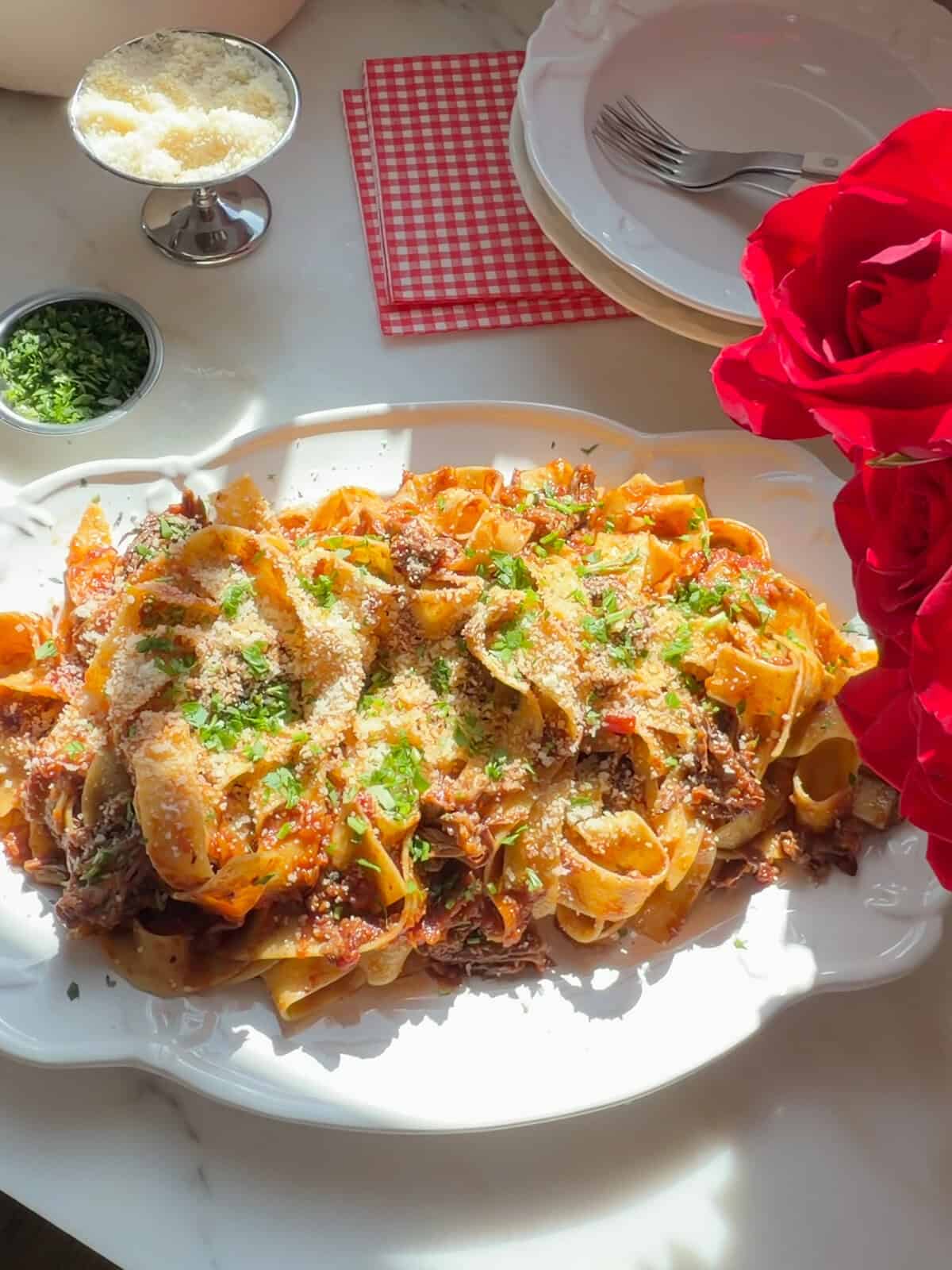
Make-Ahead Short Rib Ragu: Your Key to an Effortless, Elevated Sunday Supper
There's a special kind of magic in a meal that feels both incredibly luxurious and utterly comforting. A dish that whispers of slow weekends, cozy gatherings, and culinary tradition, yet requires minimal fuss on the day you serve it. Enter the magnificent Slow-Braised Short Rib Ragu: Ultimate Comfort Food Recipe – a rich, savory masterpiece that transforms simple ingredients into an unforgettable dining experience. Forget the last-minute stress; this is the ultimate make-ahead dish, whose flavors only deepen and harmonize with time, promising a truly spectacular Sunday supper that practically cooks itself. Whether you're craving a soulful meal for your family or planning to impress guests, this versatile short rib ragu delivers unparalleled depth and ease, making it a staple in any home chef's repertoire.The Magic Behind the Make-Ahead Short Rib Ragu
What makes short rib ragu such a star, particularly when prepared in advance? It all boils down to the unique characteristics of short ribs and the transformative power of slow braising. Short ribs are a cut of beef renowned for their generous marbling of fat and abundant connective tissue, which might seem daunting at first glance. However, these very elements are the secret to their incredible flavor and fall-apart tenderness. During the long, gentle braising process, the fat slowly renders, infusing the sauce with richness, while the tough collagen in the connective tissue breaks down into luxurious gelatin. This gelatin not only tenderizes the meat to perfection but also adds a silky, unctuous body to the sauce that simply can't be replicated with leaner cuts. The bones themselves also play a crucial role, releasing valuable marrow and flavor compounds that contribute to the ragu's profound savory depth and umami profile. The true genius of a short rib ragu, however, lies in its make-ahead potential. Like many slow-cooked stews and braises, the flavors of this ragu don't just "keep" overnight; they evolve and intensify. As the ragu rests in the refrigerator, the various aromatic compounds from the tomatoes, wine, herbs, and braised meat have time to fully meld and integrate, creating a more cohesive and complex flavor profile. The fat also solidifies on top, making it incredibly easy to skim off any excess before reheating, resulting in a cleaner, yet still incredibly rich, sauce. This makes it an ideal candidate for preparing a day or two before serving, allowing you to enjoy a stress-free Sunday supper with maximum flavor and minimal last-minute effort.Crafting the Perfect Ragu: Ingredients & Key Techniques
While the concept of short rib ragu is simple – meat, sauce, slow cook – the true depth of flavor comes from carefully selected ingredients and foundational culinary techniques. To create an Elevated Short Rib Ragu: Braise for Unparalleled Flavor, attention to detail at each step is paramount.The Star: Short Ribs
Always opt for bone-in short ribs. While boneless varieties are available, the bones contribute significantly to the depth of flavor and richness of the final sauce. The marrow and collagen from the bones release into the braising liquid, enhancing the umami and creating that signature silky texture. For a family of four, aim for about 3-4 pounds of bone-in short ribs, trimmed of only the most egregious excess fat, as some fat is crucial for flavor and moisture.
The Foundation: Aromatics and Tomatoes
- Onion, Carrots, Celery (Mirepoix): These form the aromatic base, providing subtle sweetness and savory notes. Ensure they are finely diced for even cooking and to melt into the sauce.
- Garlic: Generous amounts of fresh garlic are essential for that warm, pungent aroma.
- Whole Peeled Tomatoes: This is where quality truly shines. Seek out imported San Marzano tomatoes if possible. Their naturally sweet, balanced flavor and tender texture make a significant difference. Crushing them by hand before adding helps release their juices and integrate them better into the sauce.
- A Touch of Sugar: This isn't about making a sweet sauce. A small amount of sugar (or even a grated carrot) helps to balance the acidity of the tomatoes and wine, round out the flavors, and prevent the sauce from tasting overly sharp. It's a secret weapon for depth.
The Liquid Assets: Wine and Broth
- Dry Red Wine: A key ingredient for deglazing and building complex flavor. Choose a dry, medium-bodied red like a Cabernet Sauvignon, Merlot, or Pinot Noir – something you'd enjoy drinking. The alcohol cooks off, leaving behind rich, fruity, and earthy notes.
- The Wine Alternative: If you prefer to avoid alcohol, don't substitute with just broth or water. The acidity is crucial. Instead, use 3-4 tablespoons of red wine vinegar. Add it to deglaze the pot, then cook it down completely until the pungent vinegar smell dissipates and a subtle sweetness emerges.
- Beef Broth: Use a good quality, low-sodium beef broth to control the seasoning.
The Secret Ingredient: Parmesan Rind
Don't discard those parmesan rinds! Tossing one (or two!) into your braising liquid is a fantastic way to infuse the ragu with an extra layer of savory, cheesy umami without adding excessive salt. It's a chef's trick that makes a remarkable difference. Just remember to remove it before serving.
Key Techniques for Unparalleled Flavor:
- Browning the Meat: This is non-negotiable. Sear the short ribs vigorously on all sides in a hot, heavy-bottomed pot (like a Dutch oven) until deeply caramelized. This crucial step develops the Maillard reaction, creating incredibly complex, savory flavors that form the foundation of your ragu. Don't overcrowd the pot; work in batches if necessary.
- Deglazing: After browning the meat and sautéing the aromatics, pour in the red wine (or vinegar). Use a wooden spoon to scrape up all the flavorful browned bits (the "fond") from the bottom of the pot. This is where a huge amount of flavor resides.
- Slow Braising: The oven is your best friend here. A low and slow temperature (around 325-350°F / 160-175°C) for 3-4 hours (or even longer) ensures even cooking and allows the short ribs to become incredibly tender without drying out. The even heat of the oven creates a more consistent braise than stovetop simmering.
Serving Suggestions: Beyond the Pasta Bowl
- Pasta Perfection: For the ultimate classic experience, choose a broad, sturdy pasta shape that can truly stand up to the hearty sauce and capture every morsel. Pappardelle, tagliatelle, or fettuccine are traditional choices, their wide surface area perfect for clinging to the ragu. Other excellent options include rigatoni, paccheri, or even large shell pasta, which can scoop up generous amounts of sauce. Remember to cook your pasta fresh just before serving, and toss it directly with the hot ragu, adding a splash of pasta water to help emulsify the sauce.
- Creamy Polenta: For a rustic, soul-warming alternative, serve your short rib ragu over a bed of creamy polenta. Whether you opt for a simple, buttery polenta or a cheesy version infused with Parmesan or Pecorino, its soft texture provides a wonderful contrast to the rich meat.
- Mashed Potatoes: Transform your ragu into an elevated comfort dish by serving it atop a mound of fluffy, garlicky mashed potatoes. The potatoes soak up the luxurious sauce beautifully, creating a satisfying and incredibly filling meal. Sweet potato mash can also offer an interesting flavor profile.
- Gnocchi: Pillowy potato gnocchi are another superb pairing, offering a delicate chew that complements the tender short ribs.
- Roasted Vegetables or Root Purees: For a lighter accompaniment, consider serving the ragu alongside roasted root vegetables like parsnips or carrots, or a smooth parsnip or celery root puree.
- Creative Appetizers: Leftover ragu can even be repurposed. Think mini ragu sliders, a topping for cheesy bruschetta, or even as a filling for savory crepes.
Make-Ahead Mastery: Tips for Your Sunday Supper
The true genius of short rib ragu lies in its readiness to be made in advance, making it the quintessential dish for entertaining or a relaxed Sunday meal. Here’s how to master the make-ahead process:1. Cook the Ragu Completely: Prepare your short rib ragu from start to finish. Once the meat is fall-apart tender and the sauce has reduced to your desired consistency, allow it to cool slightly.
2. Refrigerate for Enhanced Flavor: Transfer the cooled ragu to an airtight container and refrigerate it for at least 8 hours, or ideally, overnight. This resting period is where the flavors truly deepen and meld. As a bonus, any excess fat will rise to the surface and solidify, making it incredibly easy to skim off before reheating, resulting in a cleaner, less greasy sauce.
3. Storage Longevity: Your refrigerated short rib ragu will keep beautifully in the fridge for 3-4 days. For longer storage, it freezes exceptionally well. Portion it into freezer-safe containers or heavy-duty freezer bags and freeze for up to 3 months. Thaw overnight in the refrigerator before reheating.
4. Reheating with Care: To reheat, gently warm the ragu on the stovetop over medium-low heat, stirring occasionally, until it's simmering and heated through. If it seems too thick, you can add a splash of beef broth or water to reach your desired consistency. Avoid high heat, which can toughen the meat.
5. Fresh Pasta for the Win: Always cook your pasta fresh just before you're ready to serve. Nothing beats the texture of perfectly al dente pasta mixed with warm, rich ragu. Once the pasta is cooked, drain it, reserving a cup of pasta water. Add the hot pasta directly to the reheated ragu, tossing vigorously to coat every strand. Add a tablespoon or two of the reserved pasta water as needed to create a luscious, emulsified sauce that clings beautifully to the pasta. This is a crucial step for a restaurant-quality finish.
By following these simple make-ahead tips, you can enjoy all the rich, comforting flavors of short rib ragu without the last-minute rush, truly elevating your Sunday supper experience.
